
Hiking always gives me perspective I apply to my daily life, especially at work. Almost ten years ago I discovered how much hiking on a Sunday afternoon benefited my Monday mornings, allowing me to focus away from my Monday to Friday 9 to 5 thought patterns. Hiking gave me a wall between my life and my work life.
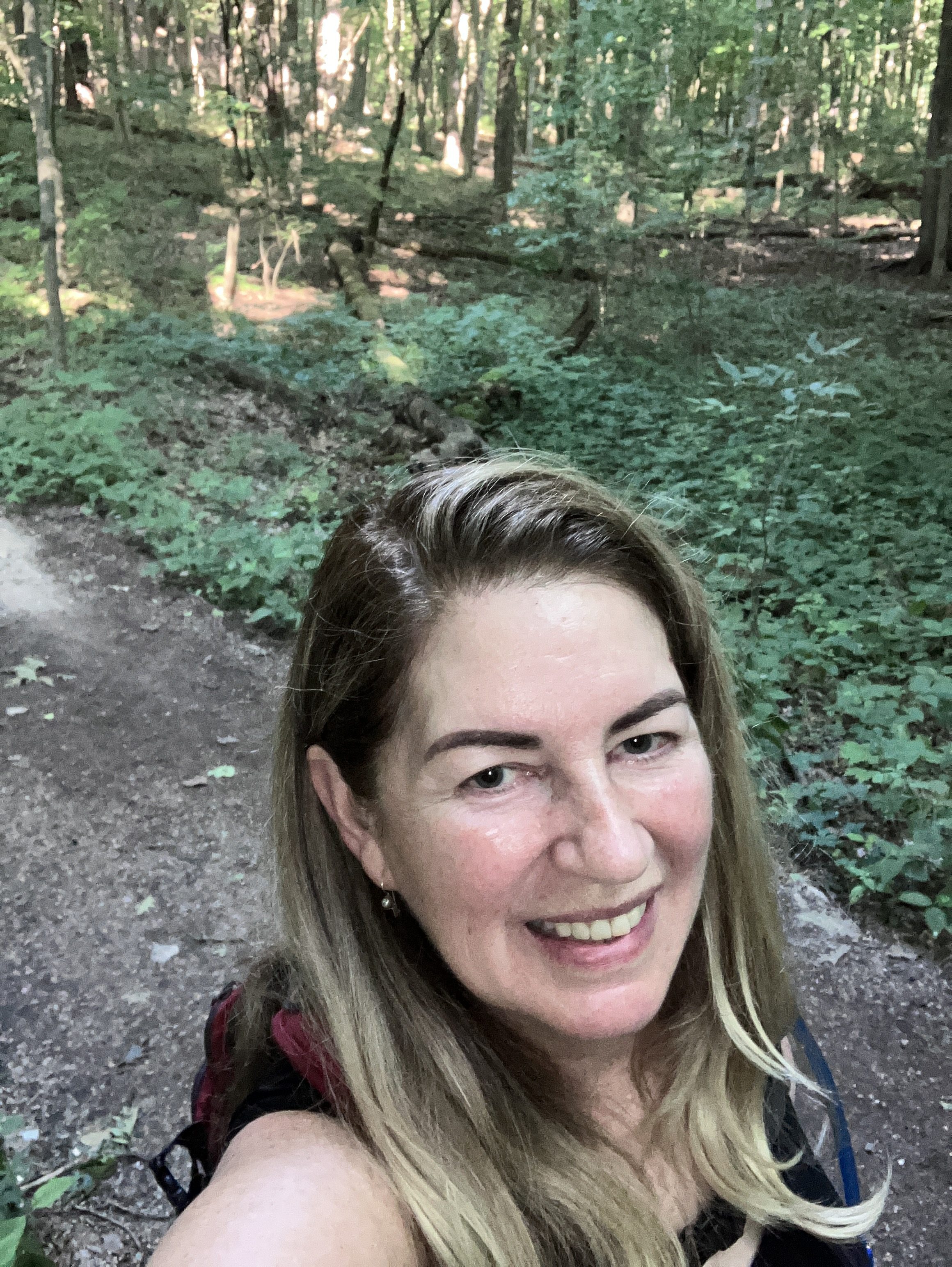
Since then, after a mile or so on the trail, alone with my thoughts and distraction-free, my mind starts observing the trail. The terrain. Steep hills or rocky descents – all of these end up creating lessons for me.
Roadblocks
Hiking year round provides a lot of opportunities for roadblocks. Mud, overflowing water or washed out trails, deep snow and ice. Like any situation in life, I have to stop and figure out if I should push my way through to the other side or look at options. And sometimes the best option is to turn around, as much as that can feel like defeat.
The process of deciding the best route is valuable. Learning to look at all the options, from the worst to the best, doing my utmost to keep fears and biases out of the decision trains my mind for other answers. I love the question, “What can possible go wrong?” as an example of looking at all the scenarios.
What can possibly go wrong?
Honestly answering this question allows me to be fully prepared for what can happen. What does fully prepared actually mean? If I look at the worst-case scenario and figure out how best to avoid it, versus ignoring it and pretending it could never happen, I am as prepared as I can be. Ignoring the worst-case scenario is akin to hearing a noise in the basement, heading down alone without a flashlight when the basement light doesn’t work.
How can you apply this today?
- Think of a negative situation, one that’s probably causing you some grief and misgiving, or maybe even some sleepless nights. Learning how to find solutions is also a great way to decrease stress and anxiety.
- Put on your scientific hat, the one that allows you to look at situations in a more neutral way.
- Begin making a list of all possible outcomes, including the worst one.
- Address each outcome by looking at ways to prepare, lessen the impact, avoid, or change the situation. Allow your brain to create everything possible, from the logical to the outlandish. Do your best to have a handful of crazy and impossible solutions.
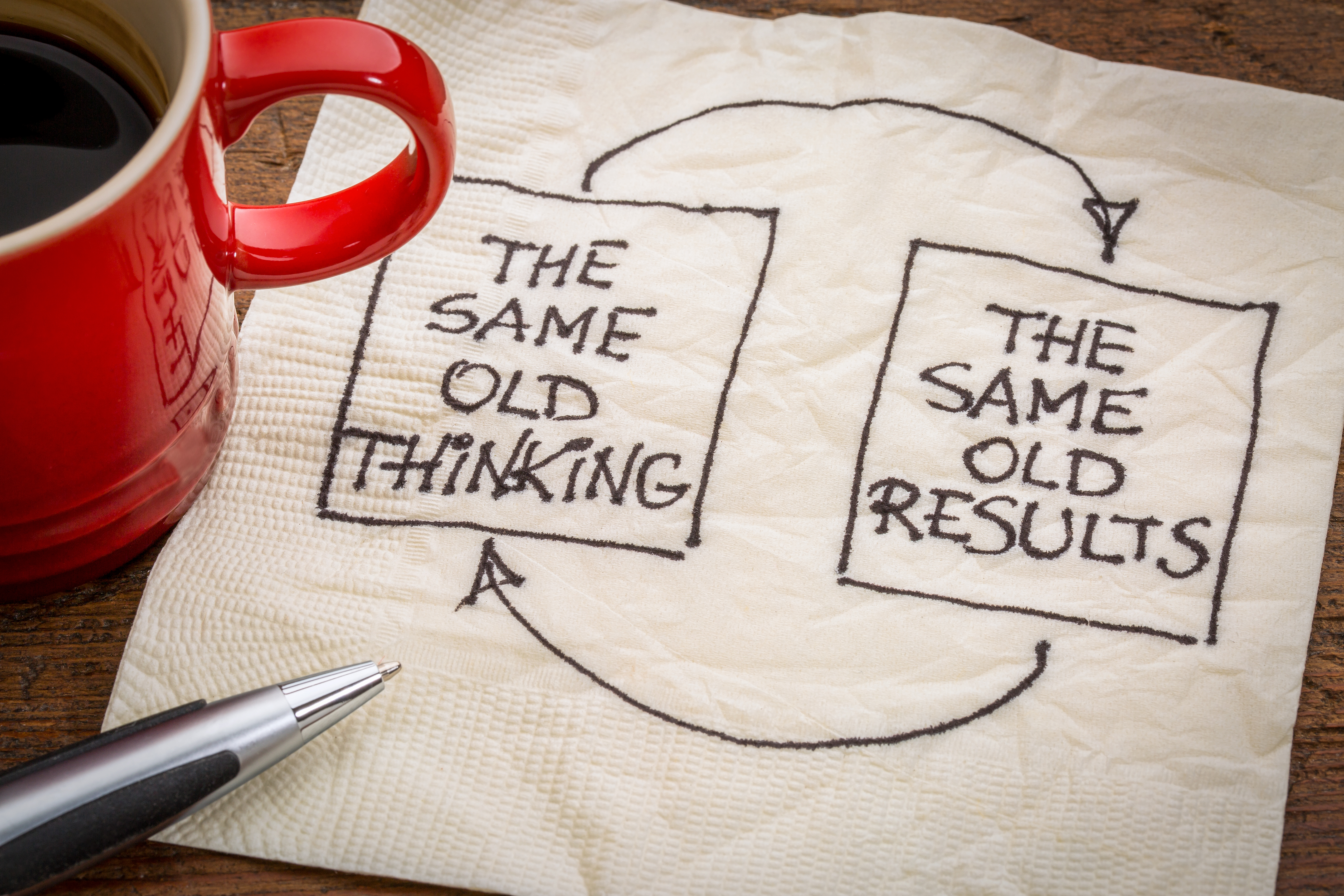
Problem-solving is a skill. Like all skills, you get better with practice. Learning how to neutralize the issue and begin to look for solutions helps keep emotion out of the problem-solving process. Emotions may not be helpful during this process, if they keep you from looking at all the solutions. Once you’ve created a variety of options, using your emotions as another tool to help you decide can be beneficial. It’s also interesting to see which emotions want to have a voice, such as fear or anger. Awareness is always helpful, and being aware of fear and/or anger as a component of the situation is another part of your decision-making toolkit.
Bridges
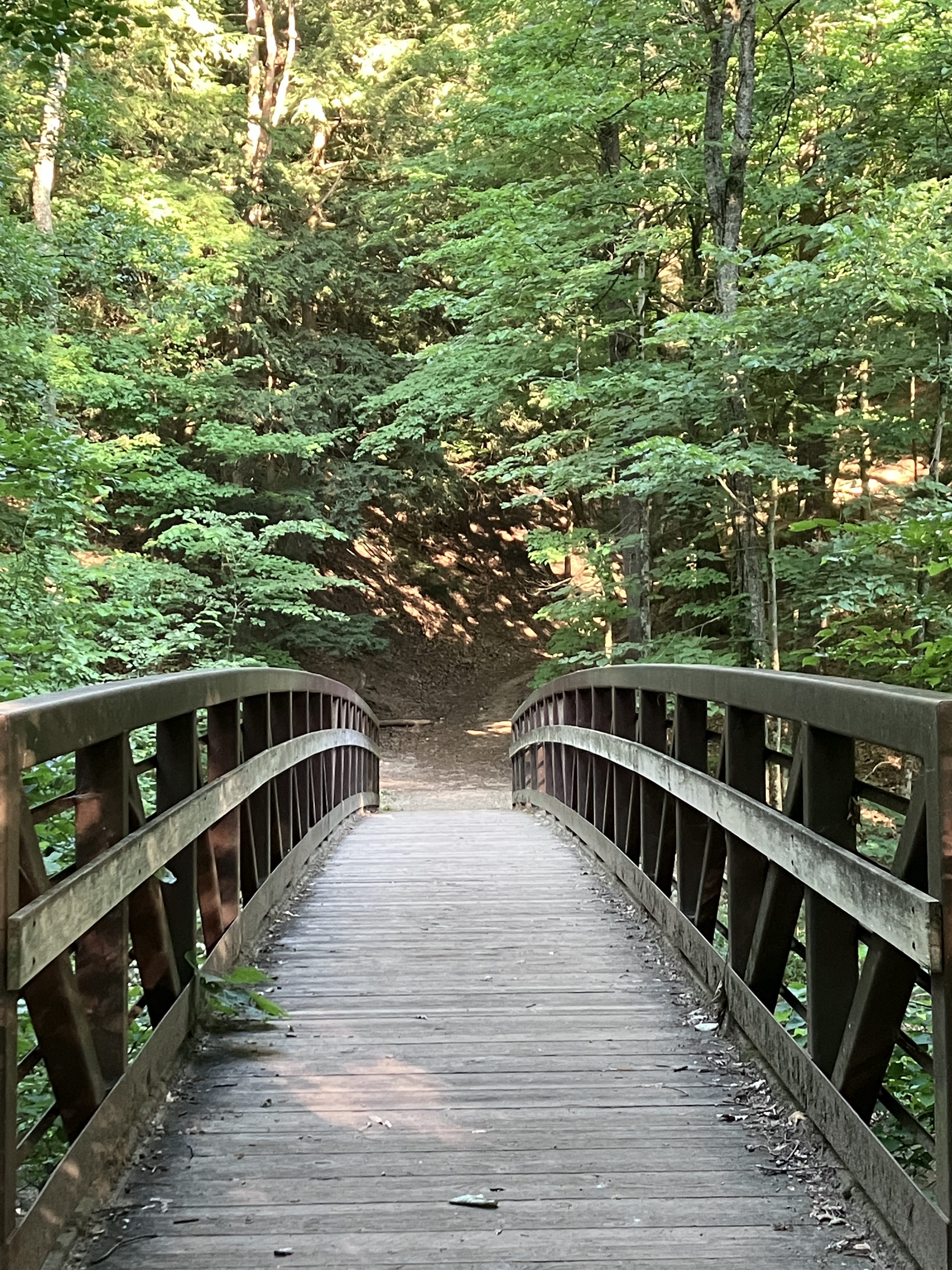
I like to think of bridges as the solution to what was once a problem. Bridges inspire me. When I see a bridge I think of the minds that came before, creating, imagining, measuring this beautiful solution to something that needed to change.
Symbolically, bridges remind me of change. When I’m hiking and see a bridge, I feel like I’m leaving one part of the woods behind and moving into something new, even when I’ve been there dozens of times. Stepping from the trail onto the bridge, to be above a creek or river, marsh or swampland, feels magical. I feel like I’m transporting myself into something new. Stepping off of the bridge onto the next part of the trail feels like embarking on the next leg of a journey. There’s something new around the bend that I can’t yet see. New surprises await.
What can possibly go right?
This is the opposite question and can even be viewed as what miracles or astonishments can possibly occur?
This is the second part of the lesson. Here’s how you can apply this today.
- Look back at your roadblocks. Review the possible outcomes and solutions. Whatever you choose will become your bridge.
- Close your eyes and think of everything that you can create, all the positive experiences you can have once the roadblock has been solved.
- Make sure you’re using the same creativity as before, opening your thoughts to outlandish and impossible things that can happen. There are miracles and astonishments to be found. Uncover them. You may realize these ideas aren’t actually so outlandish or impossible.
If you’re new to this process, it’s fun to begin with small decisions. Maybe you’re trying to decide where to store your outside trash bins. This process will be easier than jumping right in and deciding if it’s time to leave a job.
Let me know how this works for you! Which exercise was easier for you, the roadblocks or bridges?
If you’re not yet a subscriber to my weekly Winning at Work newsletter, full of inspiring tips that you can read with your morning coffee on Tuesday mornings, join me at sharonrosehayward.com.
Sharon Rose Hayward is the author of Winning at Work: A Practical Guide to Career Success, and founder of Winning at Work. Sharon helps women who are overworked, underpaid, and exhausted become confident, in control, and paid what they deserve. She’s been featured in Good Morning America, Yahoo! Finance, Career Connectors, theSkimm, and Essence.